- 1659 X Avenue Ames, Iowa 50014
- Cell: 515-231-8805
Why Are Selby Arabians Considered a Cornerstone of U.S. Arabian Breeding?
Think Arabian horse history in America started with flashy show rings and modern farms? Not quite. Long before that shine took over, the Selby Arabians Breeding Program was already shaping what many breeders still chase today: beauty, balance, brains, and bloodline depth.
If you look closely at American Arabian pedigrees, Selby Arabians show up again and again. That is no accident. Their influence helped build the very blueprint of Arabian horse culture in the United States.
How Did Selby Arabians Become So Influential So Fast?
Selby Arabians arrived at a time when the American Arabian industry was still finding its feet. Breeders were hungry for direction. Buyers wanted quality. The market needed horses that looked the part and performed under saddles.
Selby Arabians stepped into that gap and set the bar high.
Their breeding choices favored horses with classic Arabian type, athletic structure, and trainable minds. In plain terms: they bred horses that could turn heads and still do the job. That mix made other breeders pay attention quickly.
Why Did Their Horses Help Define the American Arabian Standard?
Breed standards do not appear out of thin air. They form when enough respected breeders produce a consistent style of horse others admire and copy.
That is exactly what happened here.
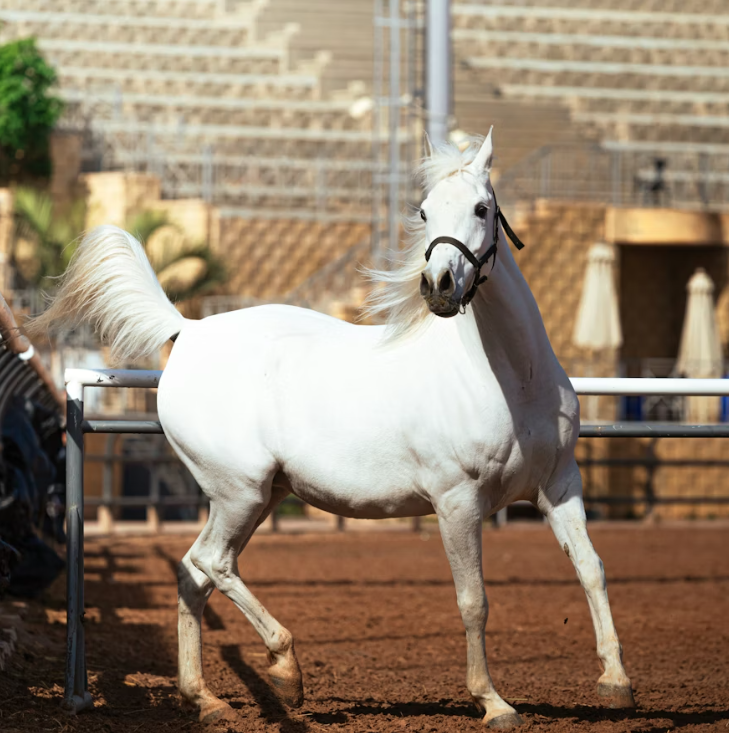
The Selby Arabians Breeding Program helped popularize the refined head, strong topline, balanced neck, and floating movement many people now picture when they think of the ideal American-bred Arabian.
Their horses became the measuring stick.
Breeders across the country studied them, bought them, and built programs around similar traits. Bit by bit, the Selby look became part of mainstream Arabian breeding in America.
Surprising Facet 1: Their Biggest Impact Was Not Just in Their Own Barn
Many people assume a famous breeding farm changes the industry only through horses it keeps.
That is only half the story.
Selby Arabians influenced U.S. breeding because their horses spread into other major programs. Stallions, mares, and descendants moved into breeding barns nationwide. Once there, they shaped future generations well beyond the original farm.
It was like planting one tree and watching a whole forest grow.
How Did They Promote Arabian Horses Across America?
Selby Arabians did more than breed horses. They helped market the Arabian horse lifestyle itself.
Their horses were visible. They showed up in events, publications, breeding discussions, and sales circles. They helped make Arabian horses feel prestigious, practical, and desirable to American buyers.
That matters more than many realize.
A breed grows when people fall in love with it. Selby Arabians helped create that love affair.
Surprising Facet 2: Their Influence Reached Beyond Halter Horses
Some old breeding programs are remembered only for producing pretty pasture ornaments.
Not Selby.
Their bloodlines influenced horses used in halter, performance, pleasure, and breeding. That versatility gave the program staying power because breeders could trust the genetics would carry beyond appearance.
A beautiful horse is nice.
A beautiful horse that can work is gold.
What Role Did Historic Bloodlines Play in Their Success?
Strong breeding programs do not happen by luck. They happen when breeders understand bloodline chemistry.
Selby Arabians built on respected foundation genetics and helped preserve the influence of elite imported lines that shaped American Arabian breeding. Their work connected older heritage blood to modern demand.
That is why breeders researching classic pedigrees often trace Selby horses alongside renowned families tied to Skowronek Bloodlines Arabian Horses and other cornerstone imports.
They did not just breed for the moment. They bred with one eye on history and one eye on the future.
Surprising Facet 3: Their Legacy Still Hides in Modern Pedigrees
Here is the part many newcomers miss.
A horse does not need “Selby” in its barn name to carry Selby influence.
Many modern Arabian horses trace back to Selby-bred stock several generations deep. Their legacy often sits quietly in the background of pedigrees, strengthening type, temperament, and structure without fanfare.
It is the kind of influence you feel before you spot it on paper.
Why Does Their Legacy Still Matter to Breeders Today?
Because bloodlines are not just names on a registration sheet.
They tell you what traits may come forward, what strengths a family carries, and what kind of horse you may produce. Breeders who value consistency still study historic programs like Selby because proven lineage leaves clues.
When you understand where the breed’s modern standards came from, you make better breeding choices now.
That is why serious Arabian enthusiasts still discuss Selby Arabians with respect.
What Can You Learn From Their Breeding Philosophy?
The biggest lesson is simple: breed for the whole horse.
Selby Arabians succeeded because they did not chase one flashy trait while ignoring the rest. They aimed for complete Arabian horses with beauty, function, mind, and pedigree strength.
That approach still works.
If you are evaluating bloodlines today, whether buying or breeding, look for programs that honor heritage while producing horses fit for modern goals. Farms like Twinbrook Arabians continue that tradition by valuing bloodline depth, thoughtful pairings, and horses bred with long-term purpose.
Conclusion
Selby Arabians earned their place in history because they did far more than breed attractive horses. They helped shape American Arabian breed standards, spread elite genetics into top breeding programs, and fueled national interest in the Arabian horse itself.
Their influence still runs through modern pedigrees today.
And if you are studying heritage-rich bloodlines, their name is one you simply cannot skip.
FAQs
1. Why are Selby Arabians famous in Arabian horse breeding?
They helped shape American Arabian breed standards and influenced many major U.S. breeding programs through widely used bloodlines.
2. Did Selby Arabians impact only show horses?
No. Their horses influenced halter, performance, pleasure, and breeding programs across multiple disciplines.
3. Are Selby bloodlines still relevant today?
Yes. Many modern Arabian pedigrees still carry Selby influence several generations back.
4. Why do breeders study historic Arabian bloodlines?
Historic bloodlines help breeders predict type, temperament, athletic ability, and breeding consistency.
5. How can buyers use pedigree history when choosing a horse?
Pedigree research helps buyers understand likely traits, strengths, and long-term breeding value in a horse.